Abdulsamad Rabiu Net Worth Soars to $12.3 Billion: A Deep Dive into BUA's Growth Engine
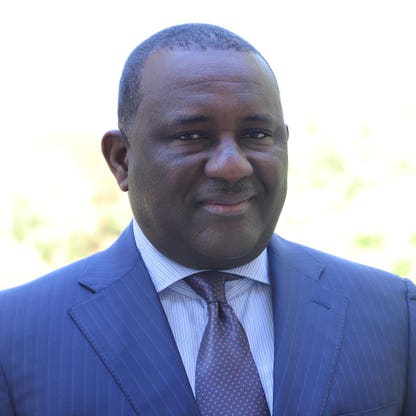
Abdulsamad Rabiu, the visionary founder and chairman of BUA Group, has solidified his position among Africa's wealthiest individuals, with his abdulsamad rabiu net worth reaching an astounding $12.3 billion as of February 18, 2026. This significant milestone, as reported by the Bloomberg Billionaires Index, underscores not just personal affluence but also the formidable growth trajectory of his diversified conglomerate, BUA Group, on the Nigerian and African economic landscapes.
The remarkable surge in Rabiu's fortune is largely attributed to the exceptional performance of his publicly listed assets, particularly BUA Foods Plc, alongside sustained strength in BUA Cement and other consumer staples equities traded on the Nigerian Exchange (NGX). This "Rabiu Rally" has been a standout phenomenon, propelling his wealth by $915 million in a single day and an impressive $2.13 billion year-to-date, marking an 8.1% and 21% increase respectively.
Often hailed as "Mr. Talk and Do" in business circles for his unwavering commitment to execution, Abdulsamad Rabiu, who turned 65 this year, now stands as the 4th richest person in Africa and the 273rd globally. His ascent is a testament to strategic foresight, relentless expansion, and a deep understanding of the continent's burgeoning markets.
BUA Group: A Conglomerate Powerhouse Driving Rabiu's Wealth
At the heart of Abdulsamad Rabiu's staggering abdulsamad rabiu net worth lies BUA Group, a formidable and highly diversified conglomerate. With extensive interests spanning critical sectors such as cement production, food processing, infrastructure development, and various manufacturing ventures, BUA Group plays a pivotal role in Nigeria's industrial and economic framework. The conglomerate's strategic focus on essential goods and services has not only ensured robust revenue streams but also contributed significantly to national development.
The success of BUA Group provides valuable insights for entrepreneurs in emerging markets: diversification into core, essential industries can create resilient business models capable of weathering economic fluctuations and capitalizing on population growth. By investing in sectors that address fundamental needs – like building materials and food – BUA has built an empire with deep roots in the economy. For a comprehensive look at the conglomerate's strategic dominance, you might want to read BUA Group's Billionaire: Abdulsamad Rabiu's Dominant Cement & Food Empire.
BUA Cement: The Foundation of an Empire
BUA Cement stands as a cornerstone of Abdulsamad Rabiu’s wealth and BUA Group’s operations. As Nigeria's second-largest cement producer, its performance directly impacts the national construction and infrastructure value chain. In 2024, BUA Cement reported a revenue of N876 billion (approximately $602 million), underscoring its significant market presence and operational efficiency. The company’s central role in facilitating infrastructure development across Nigeria solidifies its position as a key economic driver.
Rabiu's ownership stake in BUA Cement is exceptionally high, with approximately 98% held directly and through three other entities, as detailed in the company’s 2025 first-quarter financial report. This dominant control means that the cement subsidiary is the single largest contributor to his vast fortune. The ongoing rise in infrastructure spending across Nigeria, coupled with BUA Cement’s aggressive capacity expansion initiatives, promises continued growth and further enhancement of the abdulsamad rabiu net worth.
Practical Tip: For investors eyeing the construction sector in rapidly developing economies, BUA Cement's strategy highlights the importance of massive scale, vertical integration, and aligning with national development priorities. Companies that can meet surging demand for fundamental building materials often experience sustained growth.
BUA Foods: A Culinary Colossus Feeding the Nation
Beyond cement, BUA Foods Plc has emerged as a critical growth driver for the abdulsamad rabiu net worth. Rabiu holds a substantial 93% stake in BUA Foods, making it another crucial component of his wealth. The company is recognized as Nigeria’s second-largest pasta producer, according to its 2025 third-quarter financial report, and its influence extends across a broad spectrum of fast-moving consumer goods.
BUA Foods has been on an aggressive expansion path, accelerating its operations across core staples. This includes not only sugar and flour but also diversified into rice and edible oils. The strong and consistent performance of BUA Foods on the Nigerian Exchange has been a primary catalyst for the recent surge in Abdulsamad Rabiu’s wealth. The resilience of the consumer staples market, particularly in a populous nation like Nigeria, provides a stable and continually growing revenue stream, making BUA Foods a powerhouse in its own right.
Insight: The success of BUA Foods demonstrates the immense market potential within the food and beverage industry in Africa. Focusing on essential, widely consumed products ensures high demand, even during economic shifts, providing a robust foundation for long-term growth and profitability.
Beyond the Billions: Leadership, Legacy, and Philanthropy
Abdulsamad Rabiu's business philosophy extends beyond mere profit generation. He has increasingly positioned BUA Group as a people-centric industrial powerhouse, demonstrating a strong commitment to its employees and the broader community. This approach was notably showcased in December 2025 when the Nigerian billionaire distributed approximately $20.7 million in cash rewards to long-serving employees.
This initiative, one of the largest employee reward programmes ever announced by a privately held Nigerian company, was unveiled at the BUA Night of Excellence Long Service Awards held on December 13, 2025, at the Eko Hotel & Suites. The ceremony was a grand recognition of staff members across all segments of the group – cement, sugar, flour, food processing, and infrastructure-related manufacturing – for their years of dedicated service, unwavering loyalty, and sustained contributions to the company’s operations. Such strategic investment in human capital not only fosters a loyal workforce but also enhances the company's public image and long-term sustainability.
Actionable Advice: Companies aiming for sustainable growth should emulate BUA's commitment to employee welfare. Recognizing and rewarding long-term service creates a positive work environment, boosts morale, and significantly reduces turnover, ultimately contributing to stronger organizational performance and reputation.
Future Outlook: Generational Transition and Strategic Expansion
Looking ahead, BUA Group is not resting on its laurels. The conglomerate is actively signaling a strategic generational transition in its leadership, a move designed to ensure continuity and future growth. In 2026, BUA Foods made a significant announcement regarding the appointment of Isyaku Abdulsamad Rabiu, also known as Khalifa Rabiu, as Chief Officer, Global Procurement and Strategic Operations. This appointment became effective on January 29, 2026, and marks a crucial step in strengthening the executive bench.
This strategic leadership development is particularly vital as BUA Foods accelerates its expansion across core staples. The move underscores the group's commitment to sustained growth and market penetration in critical sectors like sugar, flour, rice, and edible oils. It also demonstrates a forward-thinking approach to succession planning, ensuring that the company remains dynamic and responsive to evolving market demands. The trajectory of growth and strategic moves positions Abdulsamad Rabiu for continued influence and perhaps further growth in his already impressive abdulsamad rabiu net worth, a journey detailed further in Abdulsamad Rabiu's Rapid Rise: Africa's 4th Richest at $12.3 Billion.
Understanding Wealth Estimates: The Nuances
It is important to note that while the $12.3 billion abdulsamad rabiu net worth figure is robust, it often represents a conservative assessment. The Bloomberg index, like other wealth estimators, takes into account several factors, including liabilities based on acquisition costs, insider transactions, taxes, and market performance. Crucially, several privately held businesses within the extensive BUA Group are not fully captured in current public wealth estimates due to limited disclosures. This means the full scope of Abdulsamad Rabiu's financial empire could be even larger than publicly reported, highlighting the complexities involved in accurately quantifying the wealth of billionaires with vast, private holdings.
Conclusion
Abdulsamad Rabiu’s journey to a $12.3 billion abdulsamad rabiu net worth is a powerful narrative of ambition, strategic execution, and impactful diversification. Through the unwavering growth of BUA Group, particularly its flagship entities BUA Cement and BUA Foods, he has not only amassed immense personal wealth but also profoundly contributed to Nigeria's industrialization and economic stability. His reputation as "Mr. Talk and Do," coupled with a people-centric approach and thoughtful succession planning, positions BUA Group for continued dominance and Rabiu for an enduring legacy as one of Africa's most influential business titans.
